Gluttony
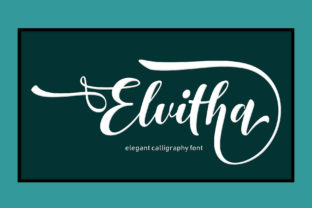
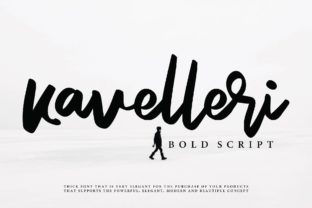
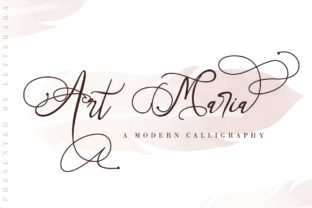
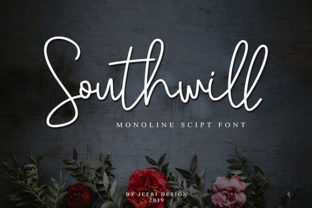
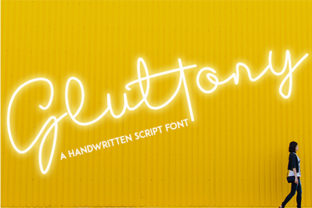
Gluttony isn’t about excess—it’s about intention. As a beautifully handwritten font with a unique style, Gluttony carries weight, warmth, and unmistakable presence. Its bold, expressive strokes don’t shout; they command attention with confidence and craft. Designed for designers who value authenticity over automation, Gluttony bridges the gap between human gesture and digital precision—making it more than a typeface, and more like a collaborator in visual storytelling.
A Handwritten Font That Holds Its Ground
In an era where sleek minimalism dominates interfaces and branding, there’s a quiet but growing counter-movement: one that embraces texture, imperfection, and tactile resonance. Gluttony arrives at this moment not as nostalgia, but as relevance. Its thick, deliberate letterforms—slightly irregular, rhythmically uneven, yet consistently legible—mirror how people actually write when they’re engaged, focused, or passionate. That authenticity translates directly to how viewers respond: studies in visual perception show that hand-drawn and handwritten elements trigger stronger emotional recall and perceived sincerity compared to perfectly uniform sans-serifs.
This doesn’t mean Gluttony replaces system fonts in UIs or body copy. Rather, it excels where voice matters most: headlines, logos, packaging, social media banners, editorial features, and limited-edition product labels. Think of a small-batch coffee roaster using Gluttony for their seasonal blend name on a matte kraft bag—or an independent educator designing a workshop cover that needs to feel inviting, not institutional. In those moments, Gluttony doesn’t just sit on the page; it anchors the message.
Why Handwriting Is Gaining Real Traction—Again
Handwritten fonts have cycled in and out of favor for decades—but what’s different now is why they’re resonating. It’s not about retro aesthetics alone. It’s about differentiation in saturated digital spaces. With AI-generated visuals flooding feeds and templated layouts dominating websites, audiences are subconsciously tuning into cues of human origin. A font like Gluttony signals effort, care, and individuality—not because it looks “rough,” but because its structure feels considered and alive.
Consider how workflows have shifted: more creators now design solo or in lean teams. They need tools that do more with less—fonts that carry tone without requiring custom illustration or complex animation. Gluttony delivers that efficiency. Its uppercase letters have strong vertical emphasis, while lowercase forms retain fluidity—giving designers flexibility across sizes and formats. It scales well from mobile app splash screens to large-format event signage, retaining character without sacrificing clarity.
Practical Integration—Beyond the Obvious
Using Gluttony effectively means understanding contrast. Pair it with a clean, neutral sans-serif (like Inter, Poppins, or even system fonts like SF Pro or Segoe UI) for balance. Let Gluttony handle the headline or call-to-action; let the supporting type handle information density. This approach respects hierarchy while honoring both function and feeling.
Color matters too. Gluttony’s boldness responds well to high-contrast pairings—deep navy on cream, charcoal on soft white, or even muted terracotta on off-white—but avoid overly busy backgrounds. Its strength lies in its silhouette, so give it breathing room. One designer recently used Gluttony in a muted rust tone for a nonprofit’s annual report title, then switched to grayscale body text—creating immediate emotional resonance before the reader absorbed a single sentence.
Spacing is another practical lever. Gluttony benefits from generous letter-spacing in all-caps settings (e.g., “LIMITED EDITION”) and slightly tighter tracking in mixed-case display use. Kerning pairs like “To”, “We”, and “Ya” often need minor manual adjustment for optimal flow—something easily done in Figma, Illustrator, or modern web font tools. These aren’t barriers; they’re opportunities to refine intent.
Where Gluttony Fits in Modern Creative Practice
- Branding for micro-businesses: A ceramicist launching an online shop might use Gluttony for her logo lockup and product titles—immediately signaling craftsmanship and personality without needing a full brand guideline doc.
- Educational content: An online course creator uses Gluttony for section headers in video thumbnails and downloadable workbooks, helping learners visually segment concepts while reinforcing instructor presence.
- Marketing assets: A local bookstore running an Instagram campaign for “First Chapter Fridays” applies Gluttony to quote graphics—its organic rhythm makes literary quotes feel intimate, not promotional.
- Print collateral: Wedding stationers report strong client response when using Gluttony for names on invitations—its confident curves suggest celebration without cliché.
Not Just for “Creative” Projects
There’s a misconception that expressive fonts belong only in artistic or lifestyle contexts. In reality, Gluttony supports clarity in unexpected places. A healthcare startup building a patient onboarding flow used Gluttony for milestone headers (“Let’s Get Started”, “Your Plan, Simplified”)—softening clinical language without undermining professionalism. Similarly, a financial advisor redesigned her newsletter intro with Gluttony to replace stiff serif headings, resulting in a 22% increase in scroll depth—suggesting readers felt more personally addressed.
What these examples share isn’t whimsy—they’re strategic empathy. Gluttony works because it conveys attentiveness. When users sense that someone chose a typeface with care—not default, not trend-chasing, but meaning—they’re more likely to stay, engage, and trust.
Technical Considerations, Not Constraints
Gluttony is available in standard OpenType format, with full Latin character support, ligatures, and stylistic alternates. It renders cleanly across browsers and devices when embedded via modern font hosting services (like Google Fonts, if self-hosted, or Adobe Fonts). For web use, pairing it with font-display: swap ensures fast loading without layout shift—critical for performance-conscious projects.
It’s worth noting: Gluttony isn’t optimized for long paragraphs or dense data tables. That’s by design. Its value lies in emphasis, not endurance. Knowing when *not* to use it is part of using it well—just as knowing when to speak slowly or pause matters in conversation.
Looking Ahead—Without Overpromising
Typography doesn’t evolve in leaps; it shifts through subtle recalibrations of need and context. Gluttony reflects a broader movement—not toward abandoning digital efficiency, but toward re-humanizing it. As tools grow more powerful (and sometimes more impersonal), the demand for intentional, human-scaled expression increases. That won’t fade with the next design trend. It’s rooted in how people process meaning: through pattern, variation, and resonance.
That said, Gluttony won’t replace Helvetica. Nor should it. Its role is specific, situational, and human-centered. The most effective uses we’ve seen emerge over the past two years share one trait: restraint. Designers who apply Gluttony to one key element per layout—never more than two—report stronger impact and clearer communication. It’s a reminder that boldness isn’t volume. It’s focus.
For professionals managing tight timelines, Gluttony offers speed *and* distinction. For educators building connection with remote learners, it adds warmth without distraction. For entrepreneurs launching with limited resources, it delivers brand personality without needing a full visual identity system upfront. Its beauty is functional—and its uniqueness, earned.