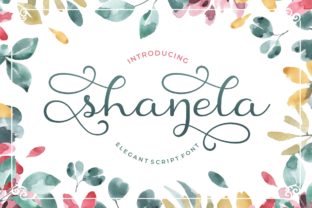
Dinila: The Handwritten Font That Feels Like a Signature
Imagine opening a boutique’s invitation and instantly recognizing the warmth of its handwriting — not generic cursive, but something with rhythm, personality, and just the right amount of playful imperfection. That’s the feeling Dinila delivers. It’s not just another handwritten font. It’s a carefully crafted typographic voice — one that balances quirkiness with elegance, spontaneity with legibility, and charm with versatility.
What Makes Dinila Stand Out in a Sea of Script Fonts?
There are hundreds of handwritten fonts online. Many lean too far into “cute,” “grunge,” or “corporate-friendly script” territory — sacrificing authenticity for polish or readability for flair. Dinila avoids those pitfalls by anchoring its design in human gesture. Every curve, slant, and terminal has been drawn to echo natural pen movement — no robotic symmetry, no over-smoothed joins. Letters connect with subtle variation, mimicking how real ink behaves on paper: slight pressure shifts, occasional lifts, and gentle inconsistencies that feel intentional, not accidental.
Its lowercase ‘a’, ‘g’, and ‘y’ feature distinctive, open forms — friendly and approachable without being childish. Uppercase letters retain presence without shouting; they’re confident but never stiff. And crucially, Dinila includes thoughtful alternates and ligatures — not just decorative extras, but functional tools that let designers fine-tune rhythm and spacing in headlines or short phrases.
Where Dinila Fits Best (and Where It Might Not)
Dinila thrives where authenticity matters most: branding for independent makers, lifestyle blogs, artisanal packaging, wedding stationery, social media graphics, and editorial features with a personal tone. Think of a small-batch coffee roaster’s label — the name “Haven Roast” set in Dinila feels like it was written by hand beside a tasting note. Or a wellness coach’s Instagram carousel — each tip headline in Dinila adds intimacy, like advice shared over tea rather than delivered from a podium.
It’s less suited for dense body text, legal disclaimers, or interfaces requiring rapid scanning — not because it’s illegible, but because its expressive nature invites pause and reflection. That’s a strength in context, not a flaw. Use it where you want attention, emotion, and memorability — not speed or neutrality.
Real-World Pairings That Work Seamlessly
Pairing Dinila well is part of its magic. Its personality doesn’t need competition — it needs contrast and support. Here’s what consistently delivers strong results:
- A clean, neutral sans-serif — like Inter, Poppins, or Lato — for body copy or captions. The juxtaposition grounds Dinila while letting it shine as a focal point.
- A subtle serif with low contrast, such as Merriweather or Cormorant Garamond, for editorial layouts where both elegance and warmth are required.
- Minimalist geometric type — think Montserrat or Space Grotesk — when designing for modern creative studios or art galleries. The tension between precision and playfulness creates visual interest without clutter.
Avoid pairing Dinila with other high-contrast scripts or overly ornate serifs — it can quickly feel crowded or chaotic. Simplicity on the supporting side lets Dinila breathe and resonate.
Practical Tips for Using Dinila Well
Like any expressive font, Dinila rewards intentionality. Here’s how to use it with confidence:
- Size matters — especially for digital use. At smaller sizes (under 24px on screen), stick to bold weights or use it sparingly in buttons or micro-headlines. Its charm lives at 32px and up — where letterforms have room to express their nuance.
- Leverage OpenType features. If your design tool supports it (Figma, Adobe apps, modern web CSS), enable stylistic alternates and contextual ligatures. These aren’t gimmicks — they prevent awkward collisions (like “f” + “l”) and add natural flow to connected words.
- Test contrast and background. Dinila works beautifully over soft textures — linen, watercolor washes, muted gradients — but avoid busy patterns directly behind it. A light drop shadow or subtle stroke can lift it off complex backgrounds without losing its organic feel.
- Respect hierarchy. Use one weight consistently for primary headings, then switch to a clean secondary font for subheads and paragraphs. Don’t layer multiple script fonts — Dinila is strong enough to carry the emotional weight alone.
Web Performance & Implementation Notes
Using Dinila on websites? Great choice — but keep loading efficiency in mind. As a variable font (if available in that format), it offers flexibility across weights and widths with a single file. If only static files are provided, prioritize the Regular and Bold weights first. You can serve them via @font-face or through a trusted font host like Google Fonts (if licensed) or Adobe Fonts.
Always include fallbacks: font-family: "Dinila", "Segoe UI", system-ui, sans-serif;. And remember — font-display: swap ensures text remains visible during load, preserving UX even if the custom font takes a moment to render.
Why Designers Are Choosing Dinila Over Generic Alternatives
It comes down to differentiation. In a world saturated with algorithmically generated content and templated visuals, audiences respond to signals of humanity. A brand using Dinila isn’t trying to look “professional” — it’s trying to look present. Real. Thoughtful. Slightly imperfect — and therefore trustworthy.
Small businesses report higher engagement on social posts featuring Dinila-set quotes. Wedding planners say clients describe invitations with Dinila as “feeling like a love letter.” Even tech-adjacent startups — like mindfulness apps or sustainable hardware brands — use it in onboarding emails to soften the interface and reinforce values before users ever click a button.
This isn’t about nostalgia. It’s about resonance. Dinila doesn’t mimic old-fashioned calligraphy — it captures the spirit of someone writing with care, in the moment, for a specific person or purpose.
Things to Consider Before Licensing Dinila
Licensing is straightforward but worth checking: confirm whether your intended use falls under desktop, web, app, or ePub categories. Most reputable sellers offer clear bundles — but if you plan to use Dinila in a client project (e.g., a logo or rebrand), verify commercial redistribution rights. Some licenses require an extended license for embedding in SaaS platforms or white-labeled products.
Also consider language support. Standard Dinila covers Latin-based languages thoroughly (including accented characters for French, Spanish, German, and Scandinavian tongues). If you need Cyrillic, Greek, or extended diacritics, check the specimen file or contact the foundry — many modern releases now include broader coverage, but it’s never assumed.
Finally, ask yourself: does this align with your brand’s voice long-term? Fonts shape perception over time. Dinila conveys warmth and individuality — powerful traits — but they must match your mission. A law firm specializing in corporate mergers might find it too informal; a ceramicist launching her first online shop? It could be the perfect signature.
Final Thought: Dinila Is More Than Typography — It’s Tone Made Visible
You don’t choose Dinila just to check a “handwritten font” box. You choose it when you want your audience to feel seen, not sold to. When clarity matters — but so does kindness. When your message deserves to land not just in the eye, but in the gut.
It won’t solve every design problem. But in the right context — with thoughtful pairing, smart sizing, and genuine intent — Dinila becomes more than a font. It becomes the quiet, confident voice behind your work.