Quillenghton: Vintage Handwritten Elegance
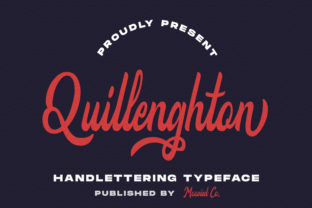
Quillenghton is a beautifully crafted handwritten font that captures the charm of vintage ink-on-paper lettering—think elegant invitations, classic bookplates, or artisanal café chalkboards. It’s not just decorative; it’s expressive, legible, and full of quiet confidence. Whether you’re designing a wedding suite, branding a small-batch candle shop, or adding warmth to an online course landing page, Quillenghton brings a human touch that digital perfection often lacks.
What Makes Quillenghton Stand Out
Unlike many script fonts that lean too casual or overly ornate, Quillenghton strikes a thoughtful balance. Its letters flow with natural rhythm—slight variations in stroke weight, gentle tapering on terminals, and subtle irregularities that mimic real penmanship. There are no flashy swashes or exaggerated flourishes, which means it stays readable at smaller sizes and pairs gracefully with clean sans-serif typefaces like Inter or Lato.
The “vintage” feel comes from intentional imperfections: a soft contrast between thick downstrokes and delicate upstrokes, slightly uneven baseline alignment, and a relaxed x-height that gives it airiness without sacrificing structure. It feels personal—not mass-produced—and that’s exactly why designers, educators, and entrepreneurs reach for it when they want authenticity over polish.
Where Quillenghton Fits Into Real Projects
You don’t need design experience to appreciate how Quillenghton works in practice. Here’s where it shines:
- Small business branding: A local bakery uses Quillenghton for its logo and packaging labels—giving off warm, handmade vibes that match their sourdough starter and seasonal jam jars.
- Educational materials: A homeschooling parent creates printable flashcards and reading journals with Quillenghton headings—it feels inviting to young learners while still supporting early handwriting development.
- Digital content: A wellness coach adds Quillenghton to quote graphics for Instagram Stories. The font’s elegance reinforces calm, intention, and care—without looking stiff or corporate.
- Printed keepsakes: Wedding planners recommend Quillenghton for ceremony programs and thank-you notes. Its timeless tone complements both rustic barn venues and modern downtown lofts.
It also works well in email headers, blog post titles, and even slide decks—anywhere you want to signal thoughtfulness, craftsmanship, or approachability. Because it’s designed with clarity in mind, it doesn’t disappear on mobile screens or blur in PDF exports.
Why People Choose Quillenghton Over Other Scripts
Many handwritten fonts fall into one of two traps: they’re either too rigid (like traced calligraphy) or too chaotic (like hurried doodles). Quillenghton avoids both by honoring how real handwriting behaves—consistent enough to read, varied enough to feel alive.
That balance supports deeper goals: building trust with your audience, standing out in crowded feeds, or simply making everyday tools—like lesson plans or product tags—feel more intentional. For freelancers pitching to boutique clients, Quillenghton signals attention to detail. For hobbyists journaling or scrapbooking, it adds personality without demanding calligraphy skills.
Practical Tips Before You Use It
Like any tool, Quillenghton works best when matched to the right task. Keep these points in mind:
- Use it for emphasis—not body text. Its charm lives in headings, logos, pull quotes, and short phrases. Avoid long paragraphs; pair it instead with a highly legible companion font for readability.
- Check spacing carefully. Handwritten fonts can tighten or loosen depending on the software. In tools like Canva or Figma, adjust letter spacing (tracking) slightly to prevent crowding, especially in all-caps settings.
- Test across devices. Some older browsers or email clients may substitute fonts if Quillenghton isn’t properly embedded. When sharing web projects, serve it via reliable font hosting or convert key headlines to SVG for guaranteed rendering.
- Respect licensing. If you’re using Quillenghton commercially—say, on merchandise or client work—verify whether your license covers print, web, or app usage. Most versions include clear terms, but it’s always wise to double-check before launching.
How It Supports Learning and Creativity
For educators and parents, Quillenghton offers more than visual appeal. Its letterforms reflect natural writing motion—curves that guide the eye, entry/exit strokes that mirror pencil movement. That makes it helpful for teaching foundational handwriting concepts, especially for learners transitioning from tracing to independent writing.
Art students and illustrators also find value in studying Quillenghton’s structure. Its rhythm and proportion offer quiet lessons in balance and flow—useful whether you’re sketching typography by hand or refining a digital illustration series.
A Font With Quiet Confidence
Quillenghton doesn’t shout. It doesn’t chase trends. Instead, it offers something increasingly rare: consistency with character, simplicity with soul. That’s why it resonates with people who value meaning over momentum—whether they’re launching their first Etsy shop, designing a family recipe book, or refreshing their LinkedIn banner with something that says, “I made this, and I meant it.”
Its elegance isn’t about exclusivity—it’s about intention. And because it’s easy to install and use across common platforms (from Google Docs to Adobe Creative Cloud), getting started takes minutes, not hours. No special training needed. Just open your project, select Quillenghton, and let its quiet confidence do the rest.