Ruthfully Font Evaluation
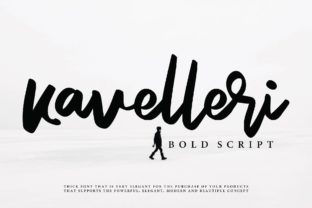
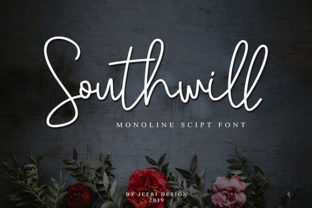
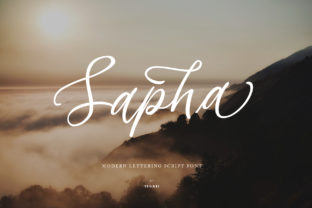
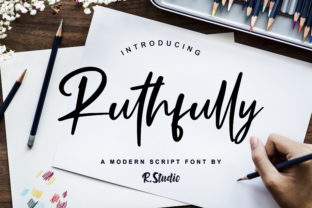
Ruthfully is a handwritten typeface designed to balance organic expressiveness with contemporary clarity. It features smooth, flowing letterforms with subtle variation in stroke weight and intentional irregularities that evoke natural penmanship—yet it avoids excessive flourish or decorative distraction. Unlike script fonts that prioritize ornamental flair, Ruthfully maintains legibility at moderate sizes and integrates cleanly into modern digital interfaces, branding systems, and editorial layouts.
Why Designers and Content Creators Consider Ruthfully
Designers often seek typefaces that convey authenticity without sacrificing functionality. Ruthfully appeals in contexts where warmth and approachability matter—such as personal blogs, boutique brand identities, wedding stationery, or creative portfolios. Its handwritten character helps humanize digital experiences, particularly when paired with clean sans-serif companions for contrast and hierarchy.
Users evaluating Ruthfully typically value its ability to stand apart from overused script fonts while remaining accessible. It’s not a novelty typeface meant for fleeting trends; rather, its restrained execution supports longevity in visual systems. That said, interest in Ruthfully usually arises from specific communication goals—not just aesthetic preference.
Practical Benefits and Real-World Performance
Ruthfully performs well in several practical scenarios:
- Brand voice alignment: When a business or individual aims to project sincerity, craftsmanship, or thoughtful creativity—especially in lifestyle, wellness, education, or artisanal sectors—Ruthfully can reinforce tone without overt stylization.
- Digital readability: At 16–24px sizes on screen, its open counters and consistent spacing support scanning in headings, callouts, and short-form UI text (e.g., buttons or testimonials), though extended body text remains unsuitable.
- Print versatility: In physical media like invitations, packaging, or posters, Ruthfully scales reliably up to 72pt and retains its character without blurring or loss of nuance.
- Pairing flexibility: It works effectively alongside neutral sans-serifs (e.g., Inter, Lato, or Montserrat) and even some low-contrast serifs, enabling clear typographic hierarchy without visual competition.
Key Considerations and Limitations
Ruthfully is not universally appropriate. Its handwritten nature introduces constraints that affect usability and accessibility:
- Legibility at small sizes: Below 14px, especially in UI elements or dense paragraphs, letterforms begin to merge. It should not be used for captions, footnotes, or data tables.
- Language and character support: As with many display-oriented handwritten fonts, Ruthfully may lack extended Latin diacritics, Cyrillic, or Greek glyphs. Users working with multilingual content should verify coverage before committing.
- Accessibility compliance: While not inherently non-compliant, its variable stroke width and connected forms reduce contrast and increase cognitive load for some readers. WCAG guidelines recommend avoiding decorative fonts for primary navigation or critical information—Ruthfully falls into this category unless carefully scoped.
- Licensing scope: Commercial use requires attention to license terms. Some versions restrict web embedding or app bundling. Always confirm permissions match intended deployment (e.g., SaaS dashboards vs. static websites).
When Ruthfully Is a Strong Fit
Ruthfully aligns best when the goal is intentional emphasis—not broad utility. It excels in controlled applications such as:
- Logo lockups or wordmarks where brand personality hinges on handcrafted authenticity;
- Hero section headlines that appear once per page and benefit from visual distinction;
- Signature lines in email campaigns or newsletters seeking a personal touch;
- Cover art or title treatments in digital publications focused on storytelling or reflection.
In these cases, Ruthfully functions as a deliberate stylistic choice—not background typography. Its strength lies in scarcity: using it sparingly increases impact and avoids visual fatigue.
When Alternatives May Be More Appropriate
If your project demands broader typographic functionality, other options warrant comparison:
- For improved readability in longer text: Fonts like Quicksand or Playfair Display offer humanist warmth with stronger structural consistency across weights and sizes.
- For wider language support: Handwritten-style alternatives such as Homemade Apple (open source, extended Latin) or Berkshire Swash (Google Fonts, robust glyph set) provide similar energy with greater linguistic flexibility.
- For tighter budget or licensing constraints: Free and open-source options—including Patrick Hand or Indie Flower—offer comparable casual handwriting aesthetics with fewer usage restrictions.
- For high-contrast accessibility needs: If WCAG AA or AAA compliance is mandatory, consider pairing a strong sans-serif (e.g., Open Sans) with minimal decorative accents instead of relying on expressive scripts.
Making an Informed Decision
Evaluating Ruthfully isn’t about whether it’s “good” in absolute terms—it’s about fit. Ask yourself:
- What role will the font play? If it’s supporting core interface elements or long-form reading, Ruthfully is unlikely to meet functional requirements.
- Who is the audience? Consider literacy levels, visual processing preferences, and device usage patterns. A font optimized for desktop hero banners may hinder mobile readability.
- What’s the implementation context? Web projects require testing across browsers and devices. Check how Ruthfully renders on iOS Safari versus Chrome Android—subtle hinting differences can affect perceived quality.
- Is there a fallback strategy? Ensure CSS font stacks include appropriate system or web-safe alternatives so degradation remains legible if Ruthfully fails to load.
Testing matters more than theory. Download a trial version or use a live preview tool to render actual content—not placeholder text—in real layout conditions. Observe how it behaves with your color palette, spacing system, and surrounding typefaces. Does it clarify meaning—or compete with it?
Ruthfully offers a distinct voice within the landscape of contemporary handwritten fonts. Its value emerges not from universality but from precision: when applied with intention, restraint, and awareness of its boundaries, it supports communication goals with quiet confidence. For those prioritizing expressive authenticity within defined parameters, it merits serious consideration—provided expectations around scope, support, and scalability are clearly aligned from the outset.