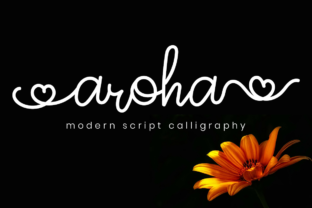
Sunnylane: A Handwritten Script Font for Elegant Design Projects
Sunnylane is a refined handwritten script font characterized by delicate, flowing curves and consistent thin strokes. It belongs to the category of formal script typefaces—designed to emulate skilled penmanship—but with a lighter, more contemporary sensibility than traditional copperplate or Spencerian styles. Its letterforms feature subtle entry and exit strokes, gentle tapering, and balanced spacing that supports readability at moderate sizes while retaining expressive character.
Designers and content creators often explore fonts like Sunnylane when seeking visual distinction without sacrificing sophistication. Unlike display-heavy scripts that prioritize ornamentation over function, Sunnylane occupies a middle ground: it’s decorative enough for branding accents or invitations, yet restrained enough for short-form editorial use or digital interfaces where tone matters as much as legibility.
Why Consider Sunnylane?
People evaluate Sunnylane for several practical reasons. Some need a font that conveys warmth, approachability, or artisanal quality—qualities often associated with hand-drawn or calligraphic forms. Others seek typographic contrast: pairing Sunnylane with a neutral sans serif (e.g., Inter, Lato, or Montserrat) can create visual hierarchy in posters, websites, or packaging. Still others require a script that avoids cliché—steering clear of overly ornate or retro-styled alternatives while maintaining personality.
Its thin weight and smooth curves make Sunnylane especially effective in contexts emphasizing lightness and grace: wedding stationery, boutique branding, lifestyle blogs, or premium product labels. Because it lacks heavy serifs, dramatic swashes, or aggressive flourishes, it tends to age well visually and integrates smoothly into modern design systems.
Key Benefits and Realistic Expectations
One benefit of Sunnylane is its consistency across characters. Unlike some handwritten fonts that rely on extensive glyph variation or contextual alternates, Sunnylane offers predictable letterforms—making it easier to preview, test, and deploy across platforms. This predictability reduces layout surprises during development or print production.
Another advantage lies in its versatility within constrained applications. At sizes between 24–48px, Sunnylane performs well in headings, logos, and hero text. Its open counters and moderate x-height support recognition even when rendered on screens with modest pixel density. However, it is not intended for body text. Readers should expect limited utility below 18px, particularly in long paragraphs or low-contrast environments.
It’s also worth noting that Sunnylane is typically distributed as a single-weight family. While this simplifies licensing and implementation, it means users cannot adjust visual weight (e.g., switching from light to bold) for emphasis or hierarchy without introducing a second typeface. That tradeoff supports cohesion but requires thoughtful pairing strategy.
When Sunnylane Fits Well
Sunnylane aligns best with projects where tone and intention are carefully curated. For example:
- Branding for lifestyle or wellness businesses—such as yoga studios, herbal apothecaries, or handmade goods—where softness and authenticity reinforce brand values;
- Printed collateral with intentional pacing, like invitation suites or art book covers, where readers engage deliberately rather than scanning quickly;
- Digital interfaces with controlled typography, such as portfolio sites or landing pages where headline text appears sparingly and purposefully;
- Illustrated assets, where Sunnylane complements line art or watercolor textures without competing visually.
In each case, Sunnylane functions as an accent—not the default voice. Its strength lies in contribution, not dominance.
When Alternatives May Be More Appropriate
Not every project benefits from a thin, handwritten script. Situations calling for higher functional clarity or broader stylistic flexibility may warrant different choices.
For instance, if a project requires extended reading—such as blog posts, documentation, or email newsletters—Sunnylane’s low contrast and narrow proportions reduce legibility over time. A more robust script with increased stroke contrast or a hybrid script-sans design might serve better.
Likewise, projects demanding multilingual support or extended character sets (e.g., Central European diacritics, Greek, or Cyrillic) should verify whether Sunnylane includes those glyphs. Many elegant script fonts focus narrowly on Latin-based languages; missing characters can delay production or necessitate fallbacks that disrupt visual harmony.
Accessibility considerations also matter. Thin fonts like Sunnylane may fail WCAG contrast requirements when used over light backgrounds or at small sizes. Designers working on public-facing sites should test color combinations and consider providing typographic alternatives in responsive CSS or design system guidelines.
Making a Practical Decision
Evaluating Sunnylane isn’t about determining whether it’s “good” in absolute terms—it’s about assessing fit. Start by clarifying your core need: Is the goal emotional resonance, visual contrast, brand differentiation, or something else entirely? Then ask:
- Where will the font appear most frequently? If it’s primarily in headlines or logos, Sunnylane’s strengths are well-aligned. If it must scale down to captions or interface labels, reconsider.
- What other typefaces are already in use? Sunnylane pairs effectively with clean, humanist sans serifs—but less so with geometric or monospaced fonts unless intentional dissonance is part of the concept.
- How much typographic control do you have? If you’re embedding fonts on a website, confirm Sunnylane is available via a reputable provider (e.g., Google Fonts, Adobe Fonts, or direct license) and test loading performance and rendering across devices.
- What are your production constraints? Print designers should request a test PDF with embedded fonts; UI designers should preview how Sunnylane behaves in dark mode or high-DPI displays.
Finally, compare samples side-by-side—not just with similar scripts, but with your actual content. Type out a representative headline, then try two or three alternatives. Observe how each affects rhythm, emphasis, and perceived tone. Tools like Font Squirrel’s generator or browser-based font testers allow quick iteration without full installation.
Sunnylane is neither a universal solution nor a niche curiosity. It is a deliberate tool—one that rewards thoughtful application and loses impact when overextended. Its value emerges most clearly when matched to goals that prioritize subtlety, cohesion, and quiet elegance over loudness or adaptability. For designers who understand those boundaries—and work within them—Sunnylane remains a reliable, graceful option among contemporary script fonts.