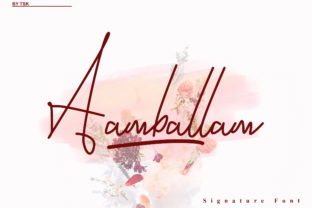
Appenzell: A Handwritten Font That Earns Its Place in Strategic Design
Appenzell isn’t just another handwritten font—it’s a deliberate design choice with distinct tonal weight, rhythm, and personality. Designed with subtle irregularities, confident stroke variation, and a relaxed yet intentional slant, Appenzell carries warmth without sacrificing clarity. It reads as human-made, not algorithmically smoothed. That authenticity is precisely why it resonates across contexts where trust, approachability, and intentionality matter: from indie brand identities to educational course materials, boutique packaging, and thoughtful editorial layouts.
Why Appenzell Works Where Other Handwritten Fonts Fall Short
Many handwritten fonts default to either exaggerated whimsy or sterile uniformity—neither supports serious communication. Appenzell avoids both traps. Its baseline consistency ensures legibility at medium sizes; its variable line weight adds visual interest without compromising function. Crucially, it doesn’t mimic childish scribbles or over-polished calligraphy. Instead, it occupies a middle ground: expressive enough to signal care and craft, grounded enough to support substance.
This balance makes Appenzell especially useful when your goal isn’t just to stand out—but to stand for something specific. A small business owner launching a wellness studio might choose Appenzell for their workshop schedule because it quietly communicates empathy and presence. An educator designing a student-facing learning module may use it for section headers—not to distract, but to soften cognitive load and reinforce a supportive tone. These aren’t aesthetic afterthoughts. They’re strategic signals, delivered through typography.
Where Appenzell Delivers Real Value (and Where It Doesn’t)
Appenzell shines in controlled, high-intent applications—not blanket replacements for system fonts. Think of it as a precision tool, not a utility knife.
- Brand voice reinforcement: When your brand values authenticity, craftsmanship, or mindful engagement—Appenzell strengthens that message visually. Used consistently in logo lockups, email headers, or product labels, it builds recognition rooted in feeling, not just form.
- Emphasis with empathy: In long-form content—like blog posts, newsletters, or resource guides—Appenzell works exceptionally well for pull quotes, key takeaways, or chapter titles. It draws attention while preserving warmth, encouraging continued reading rather than triggering visual fatigue.
- Print and tactile experiences: On packaging, postcards, or workshop handouts, Appenzell translates beautifully to physical media. Its texture reads as intentional, not accidental—enhancing perceived value without requiring premium paper or complex printing.
- Learning and onboarding assets: For internal training decks or customer-facing setup guides, Appenzell softens instructional language. It subtly reduces authority distance, making guidance feel collaborative rather than directive.
It does not work well for body text below 16px, dense data tables, legal disclaimers, or interfaces requiring rapid scanning. Nor does it serve brands built on speed, austerity, or technical precision—think fintech dashboards or enterprise SaaS navigation. Using Appenzell there wouldn’t add charm; it would introduce friction and undermine credibility.
How to Use Appenzell Intentionally—Not Automatically
Start with your goal—not the font. Ask: What outcome do I want this piece to support? Clarity? Connection? Memorability? Then ask: Does Appenzell help achieve that outcome better than alternatives?
For example, if you're redesigning a small bakery’s website, Appenzell might anchor the “Our Story” section—but pair it with a clean, highly legible sans-serif (like Inter or Lato) for menus, hours, and contact details. That contrast creates hierarchy and purpose: Appenzell tells the human story; the sans-serif delivers practical information efficiently.
Also consider pairing discipline. Appenzell pairs best with typefaces that share its warmth but offer structural contrast—think a friendly geometric sans, or a low-contrast serif with open counters. Avoid pairing it with overly decorative fonts or those with competing energy (e.g., bold display serifs or grungy distressed fonts). The goal is harmony, not competition.
Test at real scale and context. Preview Appenzell in the actual environment: on mobile screens, printed on uncoated stock, embedded in email clients. Does it retain its character—or collapse into blur? Does it still feel appropriate next to your photography, illustrations, or interface elements? If the answer is uncertain, simplify. Reduce its usage to one high-impact zone—like a headline or CTA button—and measure response.
Risks of Using Appenzell Without Strategy
The biggest risk isn’t poor rendering—it’s misalignment. Using Appenzell because it’s “trendy” or “fun” without evaluating whether that tone serves your audience or objective dilutes impact. A financial advisor using Appenzell for retirement planning materials may unintentionally signal informality where clients seek rigor and stability. A university department applying it across all faculty bios could inadvertently flatten institutional gravitas.
Another under-discussed risk is accessibility fatigue. While Appenzell meets basic contrast requirements, its organic flow can challenge readers with dyslexia or low vision when used extensively. Always provide fallbacks: ensure headings set in Appenzell are accompanied by clear semantic structure (h2, h3), and never rely on it alone to convey hierarchy or meaning.
Finally, consider longevity. Handwritten fonts trend quickly—and Appenzell’s distinct flavor means it will date. That’s fine, if intentional. A limited-run campaign or seasonal brand refresh benefits from that freshness. But for core brand assets—logos, style guides, platform UI—evaluate whether Appenzell’s personality supports decade-long relevance or whether it’s better reserved for tactical, time-bound applications.
Practical Planning Tips Before You Commit
- Map usage before installing: Draft a short list: “Where will Appenzell appear? What role will it play in each place?” If the answer is “everywhere,” pause and refine.
- Define your contrast strategy: Identify the primary supporting typeface—and test them together in real copy blocks, not isolated letters.
- Check licensing early: Appenzell is often available under commercial licenses, but verify permitted uses—especially for web embedding, SaaS platforms, or client deliverables where redistribution applies.
- Build in testing time: Render Appenzell across devices, browsers, and email clients. Note where hinting or rendering inconsistencies occur—and adjust size, weight, or fallback behavior accordingly.
- Document rationale: Brief your team or client with *why* Appenzell was chosen—not just “it looks nice,” but how it supports goals around perception, engagement, or differentiation.
Long-Term Value Lies in Restraint and Relevance
Typography doesn’t drive business results directly—but it shapes how people receive, interpret, and remember what you offer. Appenzell earns long-term value not by being everywhere, but by being *right* where it appears. When used with clarity of purpose, it deepens resonance without demanding attention. It invites without insisting. It personalizes without privatizing.
That’s rare. Most fonts aim for neutrality or novelty. Appenzell aims for resonance—and achieves it by balancing craft with restraint.
So before you drop it into your next project, ask yourself: Does this use reflect a decision—or a default? Does it support an outcome—or merely decorate a step? If the answer aligns with your goals, Appenzell won’t just look good. It will work.