Daffodil: A Friendly Handwritten Font
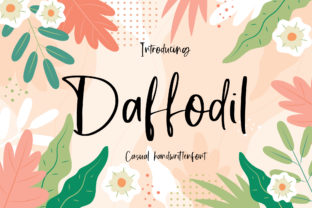
Daffodil isn’t just another script font—it’s a warm, approachable handwritten typeface designed to feel personal and inviting. With its relaxed letterforms, subtle inconsistencies, and gentle rhythm, Daffodil brings the charm of real pen-on-paper writing into digital design—without sacrificing clarity or versatility.
What Makes Daffodil Stand Out
Unlike tightly kerned calligraphy fonts or overly stylized scripts, Daffodil balances authenticity with usability. Its lowercase letters have soft curves and slight variations in stroke weight, mimicking natural handwriting. Uppercase characters are friendly but grounded—not too decorative, not too plain. The spacing is open enough for readability at small sizes, yet expressive enough to shine in larger displays.
What truly sets Daffodil apart is its tone. It feels kind, unhurried, and human—like a note from a thoughtful friend. That emotional resonance makes it especially effective when you want your message to land with sincerity rather than formality.
Where Daffodil Fits Into Real-Life Projects
Whether you're sketching a logo for your new plant-based bakery, drafting an email newsletter for your yoga studio, or designing a printable planner for students, Daffodil adapts beautifully. Its casual elegance works across contexts where warmth matters more than rigid professionalism.
- Small business branding: A local café might use Daffodil for its chalkboard menu headers or takeaway cup labels—giving customers an immediate sense of care and community.
- Educational materials: Teachers often choose Daffodil for handouts, classroom posters, or digital worksheets because it feels less intimidating to young learners—and more inclusive for neurodiverse students who respond well to organic, non-mechanical forms.
- Social media & blogs: Bloggers and content creators use Daffodil for quote graphics, Instagram story text overlays, or email subject lines that stand out in crowded inboxes—not because they’re flashy, but because they feel genuine.
- Personal projects: From wedding invitations to birthday cards, Daffodil adds personality without demanding attention. It doesn’t shout—it invites.
Why People Choose Daffodil (and When They Might Not)
Most users turn to Daffodil when they want to soften a message, add humanity to a brand voice, or make something feel handmade—even if it’s fully digital. It’s especially helpful for creators who don’t have advanced design training but still want their work to look intentional and polished.
That said, Daffodil isn’t ideal for every situation. Because it’s a display-oriented handwritten font, it’s best used for headings, short phrases, logos, or accent text—not long paragraphs or body copy. For extended reading, pairing it with a clean, legible sans-serif (like Inter or Open Sans) creates a balanced, accessible hierarchy.
Also, keep in mind that Daffodil’s charm lies in its imperfection—so if your project needs strict uniformity (think technical documentation or legal disclaimers), a more neutral typeface may serve you better.
Getting Started Is Simple
You don’t need design experience to use Daffodil well. Most platforms support it as a downloadable OTF or TTF file, and many design tools—including Canva, Figma, Adobe Express, and even Google Docs (via add-ons)—let you install and apply it with just a few clicks.
Here’s how beginners often begin:
- Download Daffodil from a trusted source (check licensing for personal vs. commercial use).
- Install it on your computer or upload it to your design platform.
- Start small: try it on a single headline, a button label, or a social media graphic.
- Pair it thoughtfully—use it for emphasis, then switch to a simple font for supporting text.
- Test how it looks across devices. Daffodil holds up well on screens, but always preview on mobile before publishing.
Practical Tips for Better Results
Spacing matters more with handwritten fonts like Daffodil. If letters feel too cramped or too loose, adjust tracking slightly—often just +10 to +25 helps maintain its natural flow without overcorrecting.
Color choice also plays a quiet but powerful role. Soft blues, muted greens, warm taupes, or even deep charcoal work beautifully with Daffodil—enhancing its calm, grounded energy. Avoid ultra-bright neon tones unless irony or playful contrast is part of your goal.
And remember: Daffodil shines brightest when it’s used with intention—not everywhere, but where it adds meaning. A handwritten font loses impact when overused. Think of it like seasoning: a little goes a long way.
Who Benefits Most From Daffodil?
Freelancers building client-facing websites often reach for Daffodil when crafting “About Me” sections—it helps convey personality quickly. Educators use it to make learning resources feel welcoming, especially for early readers or ESL students. Entrepreneurs launching lifestyle brands find it bridges the gap between authenticity and polish. Even hobbyists making greeting cards or journaling templates appreciate how effortlessly Daffodil elevates everyday creativity.
It’s not about being “trendy.” It’s about choosing a tool that supports your goal: connecting, reassuring, inspiring—or simply making something feel like it was made with care.
A Few Things to Keep in Mind Before You Commit
First, check the license. Some versions of Daffodil are free for personal use only—commercial projects (like selling branded merch or using it in client work) usually require a paid license. Always verify this upfront.
Second, consider your audience. While Daffodil reads clearly to most adults and teens, very young children or readers with certain visual processing preferences may benefit from additional contrast or larger sizing—so test readability when possible.
Lastly, trust your instincts. If Daffodil feels right while you’re sketching an idea or typing a draft, that’s often the best sign it’s the right fit. Fonts are tools, yes—but they’re also emotional cues. And Daffodil cues kindness, ease, and presence.