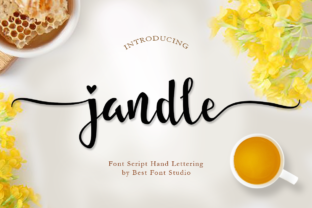
Jandle: A Sweet, Friendly Handwritten Font
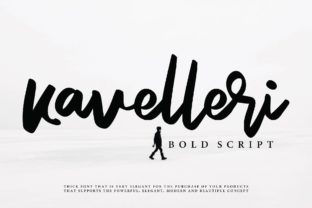
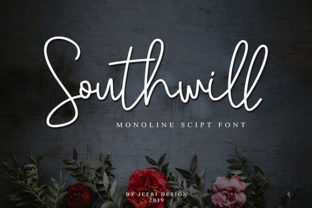
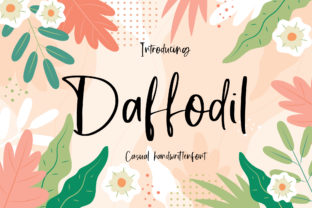
There’s something instantly disarming about Jandle — not just how it looks, but how it feels. It’s a handwritten font that doesn’t try to be perfect. Its slight irregularities, gentle slant, and warm, rounded forms make it feel like a note passed between friends — thoughtful, sincere, and quietly confident. Designed with authenticity in mind, Jandle avoids the stiffness of over-digitized scripts and the fatigue of overly ornate lettering. Instead, it offers approachability without sacrificing clarity or personality.
What Makes Jandle Stand Out
Jandle isn’t just “handwritten” — it’s human-written. Every character carries subtle variation: some letters sit slightly higher, others lean just a touch more, and spacing breathes naturally rather than locking into rigid metrics. That intentional imperfection is its strength. It signals warmth and care, not carelessness. Unlike many script fonts that demand attention through flourish or contrast, Jandle earns trust by feeling familiar — like handwriting you’d recognize from a well-loved recipe card or a heartfelt thank-you note.
Its legibility at small sizes (down to 14–16px) makes it unusually versatile for a script. You can use it for body text in short-form digital contexts — think email headers, newsletter sign-up buttons, or Instagram story text overlays — without sacrificing readability. And because it includes both standard and discretionary ligatures, you can choose when to add subtle elegance (like “fi” or “fl” connections) and when to keep things clean and grounded.
Creative Applications That Work — Not Just Look Nice
Designers often reach for handwritten fonts to evoke “authenticity,” but authenticity only lands when the execution matches intent and audience. Jandle shines where sincerity matters more than spectacle.
- Small business branding: A local bakery, indie bookshop, or handmade ceramics studio can use Jandle for signage, packaging tags, or website headlines — pairing it with a clean sans-serif (like Inter or Lato) for balance. The contrast reinforces craft and care without looking costumed or gimmicky.
- Educational materials: Teachers and course creators use Jandle in worksheets, slide headers, or printable reflection prompts. Its friendly rhythm helps reduce cognitive load for learners — especially younger students or neurodiverse audiences — while still feeling professional and intentional.
- Digital product interfaces: Product managers and UX writers test Jandle for onboarding messages, empty-state illustrations (“Looks like you’re all set!”), or microcopy in apps focused on wellness, journaling, or creative habit-building. Its tone supports emotional safety and encouragement.
- Printed collateral: Wedding invitations, event programs, or artisanal product labels gain quiet distinction with Jandle. Use it for names, dates, or short quotes — then switch to a neutral serif for longer passages. This keeps hierarchy clear and prevents visual fatigue.
How Different Users Can Adapt Jandle Thoughtfully
You don’t need to be a typographer to use Jandle well — just intentional. Here’s how different roles can adapt it meaningfully:
For marketers and content creators
Use Jandle selectively — never as your primary brand font, but as an expressive accent. Try it in email subject lines (“You’ve got a little surprise inside 🌟”), social bios (“Hand-drawn with care since 2021”), or limited-edition campaign assets. Its charm works best when contrasted with structure, not drowned in it.
For educators and coaches
Pair Jandle with high-contrast, dyslexia-friendly typefaces (like Open Dyslexic or Atkinson Hyperlegible) for mixed-format handouts. Use it only for titles, reflective questions, or affirmations — keeping instructions, definitions, and step-by-step lists in a highly legible font. This honors both emotional resonance and functional clarity.
For freelancers and solopreneurs
If you’re building a personal brand around empathy, creativity, or mentorship, Jandle can reinforce voice without overcomplicating your toolkit. Use it consistently in your portfolio headline, client welcome PDFs, or signature block — then stick to one complementary font family across your website and proposals. Consistency > variety here.
Keeping It Effective — Not Just Cute
Handwritten fonts carry risk: they can unintentionally signal informality where professionalism is expected, or overwhelm layouts if overused. With Jandle, stay grounded with these practical checks:
- Test contrast and size: On mobile screens, ensure Jandle remains legible against your background color — avoid light gray on white or yellow on cream. Use tools like WebAIM’s Contrast Checker.
- Limited scope: Reserve Jandle for no more than two typographic roles per project (e.g., headlines + call-to-action buttons). Let other fonts handle body copy, captions, and data.
- Avoid stretching or distortion: Never force Jandle into all-caps, condensed widths, or extreme tracking. Its charm lives in its natural proportions — respect them.
- Consider cultural context: While Jandle reads as friendly across English-speaking audiences, test with users if deploying globally. Some script styles read differently in multilingual interfaces — especially where right-to-left languages or non-Latin scripts are involved.
Real Projects, Real Results
A Portland-based stationery brand switched from a decorative script to Jandle for their greeting card collection headers. Sales increased 18% in three months — not because the font changed everything, but because customers reported the cards felt “more personal, less generic.” Their team attributed part of that shift to clearer emotional signaling.
An online writing course used Jandle for weekly reflection prompts (“What surprised you this week?”) embedded in their learning platform. Learner engagement with those prompts rose 32% versus previous versions using a standard sans-serif — suggesting the font helped lower the psychological barrier to self-expression.
A children’s literacy nonprofit redesigned their parent newsletter using Jandle for section headers and quote callouts. Feedback showed parents spent more time reading — particularly those who identified as “not confident readers themselves.” The font didn’t replace strong writing; it made space for it to land.
Start Simple, Stay Intentional
You don’t need a grand redesign to begin using Jandle meaningfully. Pick one place where tone matters as much as information — a welcome message, a workshop title, a thank-you page — and try it there. Notice how it changes the feeling of that moment. Then ask: does it serve the person reading it? Does it align with what you want them to feel, understand, or do?
That’s where Jandle’s real value lies: not in its curves or its kerning, but in how it helps people feel seen. Use it like you’d handwrite a note — with purpose, warmth, and quiet confidence.