Westbrook: Handwritten Charm That Fits Right Into Modern Design
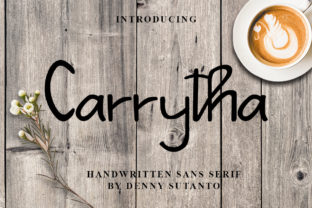
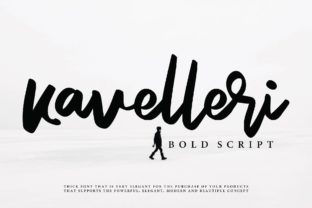
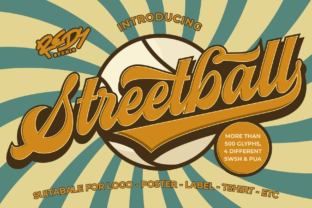
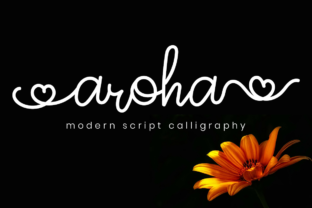
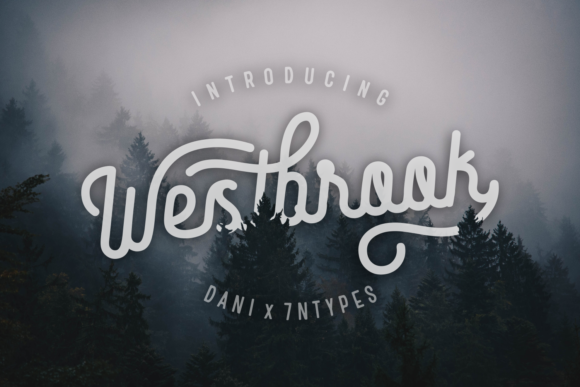
There’s a quiet shift happening in how we communicate visually — not through flashy animations or complex interfaces, but through something as simple as a letterform. Westbrook stands out precisely because it doesn’t try to shout. It’s a fun and cool handwritten font with a unique feel: relaxed yet intentional, informal but never sloppy, personal without being overly casual. It’s the kind of typeface that makes a landing page feel like a conversation, turns a social media graphic into something you pause to read, and gives a presentation slide just enough warmth to hold attention.
Why Handwriting Still Matters — Even in a Digital World
We’re surrounded by polished, algorithmically optimized interfaces — sleek sans-serifs, geometric displays, ultra-thin weights designed for screens. Yet people increasingly respond to authenticity over perfection. Studies in digital engagement show that content perceived as “human-made” — whether through candid photography, first-person storytelling, or expressive typography — tends to build trust faster. Westbrook taps directly into that impulse. Its slight variation in stroke weight, gentle slant, and organic rhythm mimic natural handwriting without leaning into cartoonishness or forced quirkiness. It’s legible at small sizes, holds up in bold applications like posters or logos, and works across platforms — from email headers to printed workshop handouts.
From Niche Tool to Everyday Asset
Handwritten fonts used to be reserved for birthday invitations or café chalkboards. Today, they’re embedded in brand identities, SaaS onboarding flows, educator newsletters, and even fintech dashboards aiming to soften complex data. Westbrook reflects this evolution: it’s not nostalgic — it’s functional. Unlike older script fonts that demanded precise kerning or limited line lengths, Westbrook was built with modern responsiveness in mind. Its spacing accommodates variable-width text blocks, its lowercase ‘a’ and ‘g’ avoid confusion at smaller sizes, and its open counters prevent visual crowding on mobile screens.
This practicality explains why more creators are choosing Westbrook not as an accent, but as a primary voice. A freelance illustrator might use it for project titles and client emails — reinforcing consistency between visual style and tone. An online course creator may pair it with a clean sans-serif for body text, letting Westbrook introduce each module with approachability. A local bakery owner could apply it across Instagram Stories, menu boards, and loyalty cards — all while keeping their brand recognisable and grounded.
Fitting Into Real Workflows — Not Just Aesthetic Ideals
What makes Westbrook genuinely useful isn’t just how it looks, but how it behaves in everyday tools. It’s available in standard OpenType format, supports Latin-based languages, and includes basic ligatures and alternate characters — enough to add subtle variety without requiring design expertise. No need to install custom software or wrestle with obscure plugins. It works in Canva, Figma, Adobe Creative Cloud, Google Docs (via upload), and even PowerPoint — meaning educators preparing lesson slides, marketers drafting campaign assets, or small business owners updating their website banners can access it without friction.
That accessibility matters. When a tool lowers the barrier between intention and execution, it empowers more people to express themselves clearly. You don’t need to be a typographer to notice that Westbrook feels different from default system fonts — and that difference carries meaning. A newsletter subject line set in Westbrook reads less like a broadcast and more like a note from someone who knows your name.
Where Westbrook Adds Quiet Value
- Brand Differentiation: In saturated markets — think wellness apps, independent publishers, or boutique service providers — Westbrook helps signal care and individuality without relying on stock imagery or clichéd “hand-drawn” icons.
- User Onboarding: First-time users respond better to interfaces that feel guided rather than instructed. Using Westbrook for welcome messages or step labels adds a layer of reassurance, especially in tools aimed at non-technical audiences.
- Educational Materials: Teachers using digital worksheets or interactive PDFs find that Westbrook improves readability for younger learners and reduces cognitive load for neurodiverse students — its friendly shape encourages engagement without distraction.
- Printed Collateral: From event tickets to product packaging, Westbrook translates well to physical formats. Its texture holds up under offset printing and maintains character on kraft paper or recycled stock — aligning with sustainable design values many consumers now expect.
Not a Trend — A Thoughtful Response to Changing Expectations
It’s easy to mislabel Westbrook as part of a “handwritten font trend.” But what’s actually growing is a broader expectation: that digital experiences should reflect human values — clarity, empathy, intentionality. People aren’t seeking nostalgia; they’re seeking resonance. They want interfaces that don’t require translation, brands that speak plainly, and tools that respect their time and attention. Westbrook supports those goals by offering personality without pretension, warmth without vagueness, and distinction without complexity.
This is why designers and non-designers alike are turning to it more deliberately — not as decoration, but as strategy. A startup launching a mental health journaling app might choose Westbrook for its sign-up CTA because it subtly signals emotional safety. A university department revamping its internal comms might adopt it for weekly updates to reinforce collaboration over hierarchy. These aren’t superficial choices. They’re small, consistent decisions that shape how people feel when they interact with something — even if they never consciously register the font itself.
Using Westbrook With Purpose — Not Just Decoration
Like any expressive typeface, Westbrook gains strength through restraint. Overuse dilutes its impact. Try reserving it for moments where tone matters most: headlines, call-to-action buttons, quote highlights, or short-form messaging. Pair it thoughtfully — a neutral sans-serif like Inter, Lato, or even system fonts like Segoe UI or San Francisco creates helpful contrast and ensures readability in longer passages.
Also consider context before applying it. Westbrook shines in environments where informality is appropriate — creative portfolios, community newsletters, lifestyle blogs. It may feel mismatched in highly regulated sectors like legal documentation or enterprise security dashboards unless carefully balanced with supporting typography and layout discipline. The goal isn’t to make everything look “friendly,” but to make the right things feel appropriately human.
Realistic Recommendations for Getting Started
- Start small: Replace one recurring element — like your email signature font or blog post titles — and observe how readers respond. Track open rates, time-on-page, or qualitative feedback if possible.
- Test across devices: Preview how Westbrook renders on iOS, Android, and desktop browsers. Adjust size and line-height slightly if needed — its charm lies in balance, not uniformity.
- Think beyond colour: Because Westbrook has inherent texture, subtle background treatments (like light grain overlays or soft shadows) often enhance rather than compete with it.
- Respect hierarchy: Use weight variants intentionally — bold for emphasis, regular for friendliness, light only where contrast allows. Avoid mixing too many styles in one layout.
Westbrook won’t solve every design challenge. It won’t replace strategic thinking or user research. But it does offer something increasingly rare: a way to bring quiet humanity into spaces that often feel transactional. It reminds us that good communication isn’t about speaking louder — it’s about sounding like yourself, clearly and kindly. And in a world full of noise, that kind of simplicity isn’t just refreshing. It’s necessary.